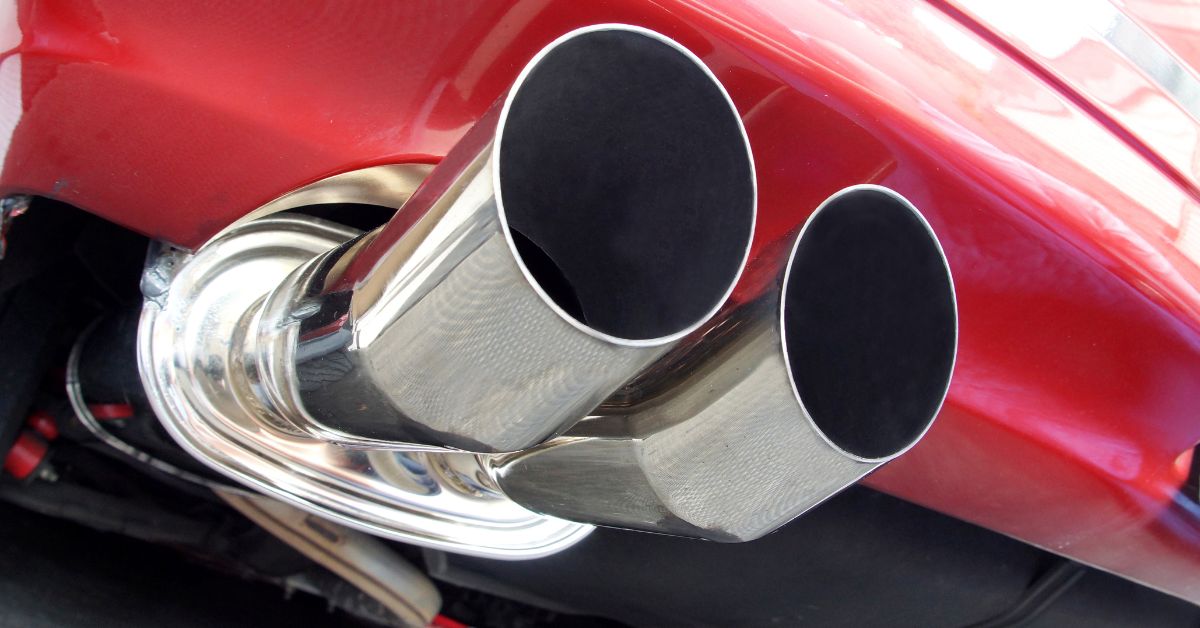
Many truck owners focus on upgrades such as turbochargers, air intakes, or fuel systems; neglecting the exhaust system can result in lost horsepower and reduced efficiency. Thankfully, you can optimize exhaust flow for Powerstroke diesel engines to get the performance you’ve always wanted.
Before diving into the details, it’s important to understand the significance of exhaust flow in a Powerstroke diesel engine. Exhaust flow refers to the movement of air out of the engine through the exhaust system. It plays a vital role in maintaining the air-to-fuel ratio, which directly impacts the engine’s power, torque, and fuel efficiency. By optimizing exhaust flow in your truck’s engine, you’ll get the performance you want without compromising on safety.
The first and most important step to optimizing exhaust flow is investing in a high-quality aftermarket exhaust system. Factory exhaust systems can limit airflow. Aftermarket systems for Powerstroke diesels, however, maximize airflow and reduce restrictions. Look for systems made from stainless steel because it resists corrosion and provides long-term performance benefits.
A performance tuner allows you to customize your truck’s engine settings, including the exhaust flow rate. Tuners optimize the engine’s combustion process by fine-tuning turbo boost, fuel injection timing, and exhaust gas recirculation (EGR). When you use a tuner for your engine, you can balance exhaust flow with other performance gains, guaranteeing better throttle response, increased horsepower, and improved fuel economy!
Factory-installed exhaust components, such as stock headers, downpipes, and catalytic converters, can be restrictive, choking airflow and limiting your truck’s potential. Upgrading to free-flowing components can make a significant difference in engine performance. For example, high-performance headers reduce backpressure and improve exhaust scavenging, while upgraded downpipes can handle higher exhaust volumes with ease. Catalytic converter replacements, like high-flow converters, allow you to meet emissions standards without sacrificing performance.
Keeping your exhaust system clean and free of debris is crucial for maintaining optimal exhaust flow. Over time, soot and carbon buildup can clog the turbo, EGR system, and catalytic converter, hindering airflow. Regularly inspect and clean or replace air filters, and perform routine checks on the entire exhaust system to remove blockages. A quality exhaust system supports airflow while preventing costly repairs down the line.
Don’t overlook the importance of optimizing exhaust flow in your Powerstroke diesel engine. Start making these changes today, and experience the difference they bring to your engine. Norcal Diesel Performance has the 2017-2022 6.7 Powerstroke exhaust parts you need to hit the road with power and efficiency!
1. How does improving exhaust flow increase Powerstroke performance?
Improving exhaust flow reduces backpressure, allowing the engine to expel exhaust gases more efficiently. This helps the turbo spool faster, lowers exhaust gas temperatures (EGTs), and increases horsepower and fuel efficiency.
2. What exhaust upgrades provide the biggest gains for a Powerstroke?
Common upgrades include turbo-back exhaust systems, high-flow catalytic converters, performance mufflers, and larger diameter piping. These components work together to maximize airflow and reduce restrictions.
3. Does a larger exhaust diameter always improve diesel performance?
Not always. While larger piping can reduce restriction, going too large may decrease exhaust velocity, which can negatively affect turbo performance. The ideal size depends on your engine setup and power goals.
4. Can better exhaust flow help reduce EGTs on a Powerstroke?
Yes. A less restrictive exhaust system helps gases exit faster, which lowers EGTs. This is especially important for towing or high-performance applications where excessive heat can damage engine components.
5. Is upgrading the exhaust system worth it for towing and daily driving?
Absolutely. For towing, improved exhaust flow helps maintain lower temperatures and better engine efficiency. For daily driving, it can enhance throttle response, fuel economy, and overall drivability.