It’s essential to understand the difference between horsepower and torque. It can help you determine if your car is performing as it should or if the vehicle you’re looking to purchase is better or worse than what you want. Continue reading to learn more about torque and horsepower and their key differences!
Broadly speaking, torque refers to the movement of force throughout a system. In cars, it is a simple measurement of the work that your vehicle can do, corresponding to the strength of your engine and motor. The higher the torque, the more power your engine can produce. All this means you can accelerate and reach top speeds faster, enabling more energy-efficient driving. This torque gets your car moving from when it’s sitting idle, but the horsepower keeps your vehicle moving.
Unlike torque, horsepower directly refers to the amount of power the engine transfers to the wheels. Torque will accelerate your car, but horsepower keeps your wheels moving and your speed consistent. The measurement for horsepower specifically means the power needed to move 550 pounds one foot in one second. Most standard vehicles have a horsepower between 180 and 200, and sports cars have a higher horsepower to go faster relative to their size.
Both sound similar, but a better way to understand the difference is to state that torque is better for towing, and horsepower is better for the vehicle’s overall performance. While both measurements are related, since you can calculate horsepower with torque and RPM, they serve different purposes. Higher torque means your vehicle can better navigate hills and haul heavier loads. It helps with acceleration but will take longer to accelerate when you’re hauling something. This low-end power makes hauling more significant items possible, but horsepower also helps.
You should look for a good balance of horsepower and torque in your cars. The two work together to ensure that your vehicle is fuel-efficient, will drive smoothly, and can haul whatever you need!
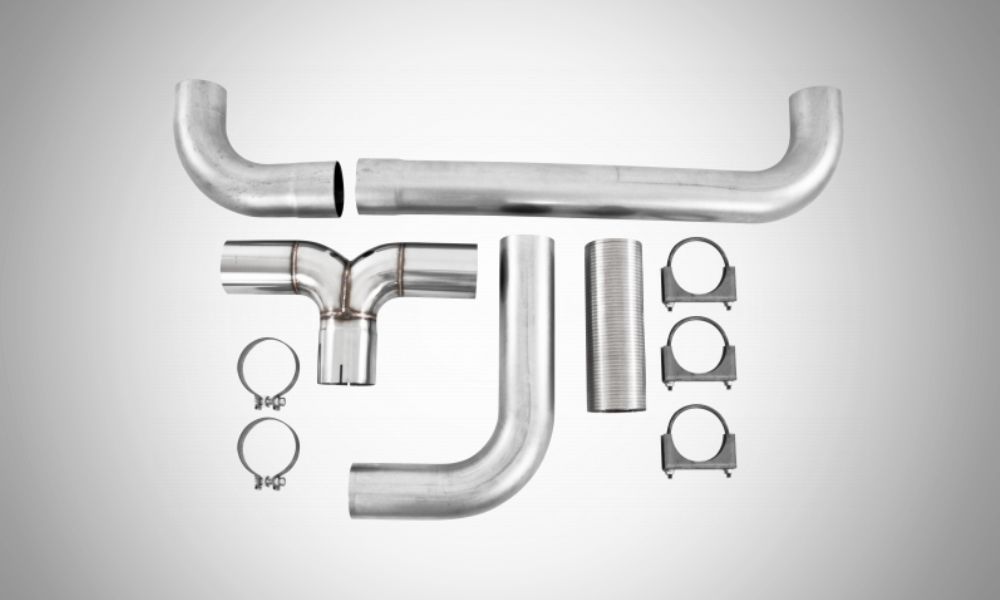
Your car’s engine is one of the most critical parts of the vehicle, and understanding the difference between torque and horsepower can help you ensure it’s in the best condition possible! If your vehicle struggles with horsepower, consider investing in some new Duramax exhaust parts! At Norcal Diesel Performance, our exhaust parts can help improve your torque and horsepower!
A. Both are important, but torque typically has a greater impact on everyday driving because it helps your vehicle accelerate from a stop and respond quickly when you press the gas pedal. Horsepower helps maintain speed and overall performance at higher RPMs.
A. Higher torque helps a vehicle accelerate more quickly, especially from a standstill. However, overall speed performance depends on a combination of torque, horsepower, gearing, and vehicle weight.
A. Diesel engines are designed to produce strong low-end torque, making them ideal for towing heavy trailers, hauling cargo, and climbing steep grades. This is one reason diesel trucks are popular for work and recreational towing.
A. Yes. Performance upgrades such as exhaust systems, tuners, intake systems, and other engine modifications can improve airflow and efficiency, potentially increasing both torque and horsepower when properly matched to the vehicle.
A. Torque provides the force needed to get the vehicle moving, while horsepower helps sustain that movement and maintain speed. The best-performing vehicles typically have a balanced combination of both torque and horsepower for strong acceleration, towing capability, and overall drivability.