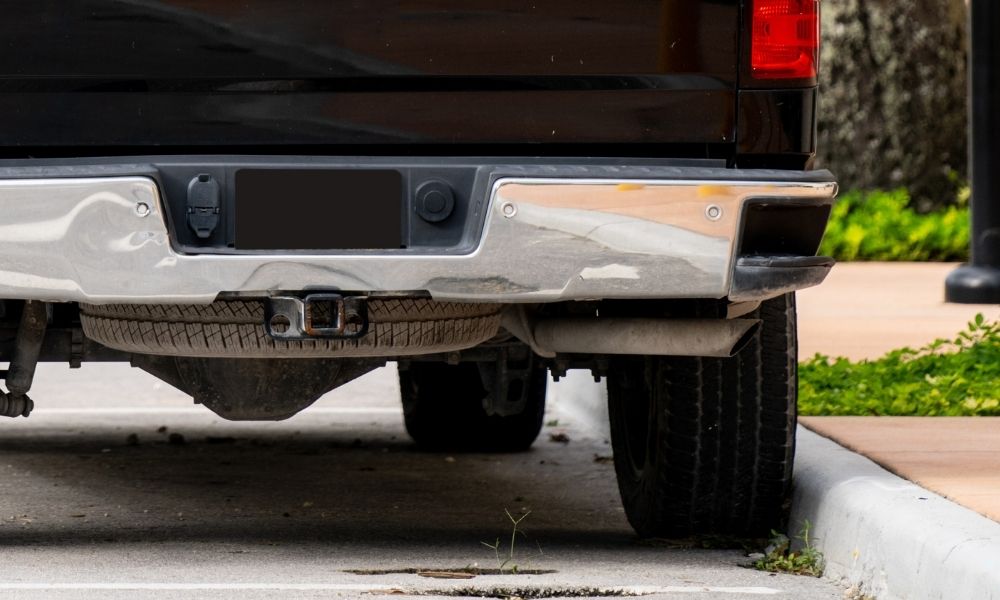
When something is wrong with your exhaust, you tend to find out because of how it affects the rest of your vehicle. Given how important your exhaust system is to your truck’s smooth operation, you must keep your eyes and ears open for any sign that something could be amiss. For the most part, the warning signs your exhaust needs attention are fairly obvious. However, you might mistake them for something else if you don’t know what you’re looking for.
Perhaps the clearest sign that something is wrong with your exhaust system is when you hear a noise your truck doesn’t usually make. You know what your vehicle should sound like when it’s running, but if that noise changes without warning, you could have an internal issue in your exhaust system. A hissing or whistling noise could indicate a restriction inside the system. A rattling or scraping sound may pop up because your exhaust pipe came loose from its normal position.
Another warning sign that your exhaust needs some attention is when you can feel heavier vibrations through your foot pedals, steering wheel, or even your seat. New vibrations can come from several sources, but they all could happen because one of the hangars or brackets beneath your truck isn’t holding its exhaust pipe securely. Catalytic converter clogs and exhaust leaks can also cause heavy shuddering that you’ll be able to feel as you drive.
If you have an older truck, the issue with your exhaust system may be as clear as day when you look at it. No amount of rust is a good thing. But if your exhaust has a substantial rust problem, you probably don’t just want to hope that it will work perfectly. You should also check for things like holes and splits in your exhaust pipe, as these problems are bad enough on their own but can also get worse over time if you don’t take care of them.
When something goes wrong with your exhaust system, it can result in the exhaust fumes not leaving the engine the way they should. This can cause excess heat to build up, making your engine much hotter. These kinds of issues can lead to a reduction in your vehicle’s fuel efficiency. So, if you notice that you need to fill up more often than usual, your exhaust could be the root of the problem you have on your hands.
If you need to get your exhaust back in working order, Norcal Diesel Performance has Cummins exhaust parts to help your truck operate properly once again. Check out our store to find the exhaust parts that will improve your ride.
A. If your truck suddenly develops loud hissing, rattling, scraping, or whistling noises, it's a good idea to have the exhaust system inspected as soon as possible. Unusual sounds can indicate leaks, loose components, restrictions, or damaged exhaust parts that may worsen if left untreated.
A. Yes. A damaged or restricted exhaust system can reduce engine efficiency and increase fuel consumption. If you've noticed a sudden drop in miles per gallon and no other obvious cause, an exhaust issue could be contributing to the problem.
A. While a small leak may not prevent your truck from running, it should not be ignored. Exhaust leaks can lead to reduced performance, increased engine strain, excessive noise, and potentially allow harmful gases to enter the cabin. Prompt repairs can help prevent more expensive damage later.
A. Common symptoms include unusual exhaust noises, vibrations in the steering wheel or pedals, visible rust or holes in the exhaust piping, reduced fuel efficiency, and a noticeable decrease in overall vehicle performance.
A. It's a good practice to inspect the exhaust system during routine maintenance or oil changes, especially on older trucks and diesel vehicles. Regular inspections can help identify rust, loose hangers, leaks, or damaged components before they turn into major repairs.