There are many benefits to installing a cold air intake system in your vehicle. However, the work isn’t over when the installation finishes. A quality cold air intake will be more robust than the factory parts alone, but that doesn’t mean it’s invincible. It isn’t unheard of for cold air intakes to start leaking, and it’s not always immediately apparent when this happens. Do you think your cold air intake is leaking? Here’s how to tell so that you can fix the problem sooner rather than later.
Improving the performance of your engine was likely the original reason you installed a cold air intake in the first place. However, you may start to notice that you don’t have the same amount of power, or you can’t accelerate as quickly as when you first installed the intake. If so, your air intake could have a leak. This can throw off the air-fuel ratio in your engine, causing it to run inefficiently.
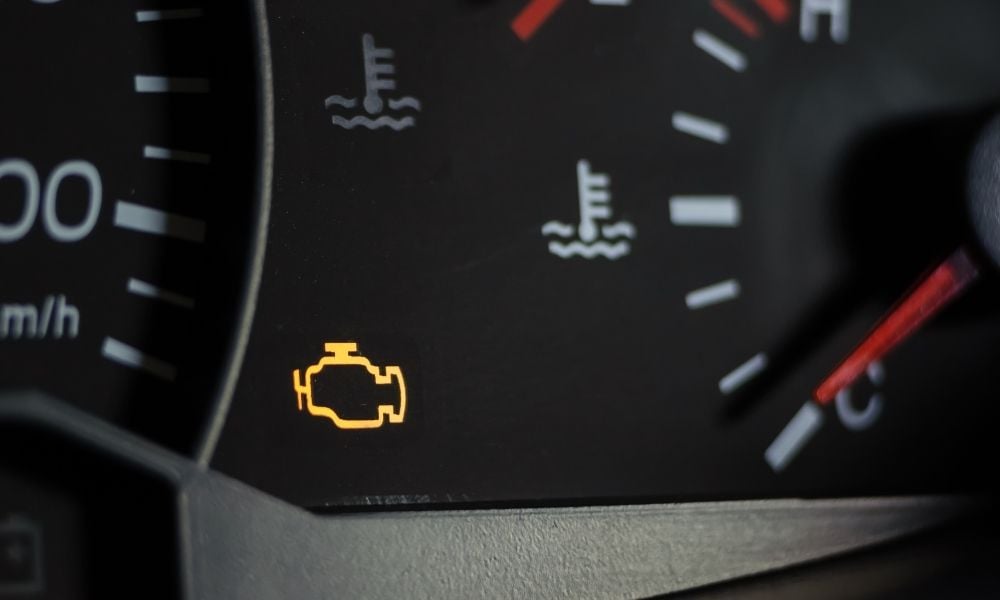
Check engine lights turn on for various reasons. Unless you’re an expert at checking on your own vehicle, you’ll most likely want to have a professional look under the hood. Your cold air intake comes with sensors that connect to the check engine light in your vehicle. If anything goes wrong or some parts fail, these sensors will alert you of the problem through the check engine light.
Another possible way to tell that your cold air intake is leaking is seeing a reduction in your fuel economy. The air-fuel ratio issue that we mentioned earlier also affects how much fuel your engine uses. A faulty air intake can cause your engine to use more fuel. If you start needing to fill up more often than before, you may want to pop the hood open and have a look around.
Strange noises in a vehicle are always a cause for concern. But how do you know when they relate to your cold air intake? A leaking cold air intake will often make loud noises as air comes out of the damaged part. You may hear a hissing or whistling sound when your intake manifold has a crack in it. That will let you know that there’s a major problem.
If you need upgrades you can rely on, such as a 6.7 Cummins cold air intake, Norcal Diesel Performance has everything you need. We’ll help you find the parts to make your diesel truck fulfill your needs and desires.
A. While your vehicle may still run with a leaking cold air intake, it's not recommended to ignore the issue. A leak can disrupt the air-fuel mixture, reduce performance, lower fuel efficiency, and potentially cause long-term engine problems if left unaddressed.
A. Common causes include loose clamps, cracked intake tubing, damaged couplers, worn seals, improper installation, or normal wear and tear over time. Regular inspections can help catch these issues before they become serious.
A. Start by visually checking the intake tubing, couplers, and clamps for cracks, gaps, or loose connections. Listen for hissing or whistling sounds while the engine is running and look for any components that appear damaged or disconnected.
A. Yes. A leak can allow unmetered air into the engine, causing sensor readings to fall outside normal parameters. This may trigger the check engine light and lead to diagnostic trouble codes related to the airflow or fuel system.
A. It's a good idea to inspect your cold air intake during routine maintenance intervals, such as oil changes or filter cleanings. Checking the system regularly helps ensure optimal performance, fuel economy, and engine reliability.