There’s a certain level of noise that we all expect to come from our trucks. Engines are loud; there’s no way around that. When you start to notice that your exhaust makes a lot more noise than normal, it usually indicates you have a problem with your exhaust system. This isn’t just an annoying problem; it means there could be damage to your truck that you need to address before it gets worse. What causes a truck’s exhaust to be so loud? Here are some of the most likely offenders for a wide variety of diesel engines.
Your exhaust manifold is the piece of equipment that collects all the gases that your engine releases as it runs. Over time, exhaust manifolds can sometimes start to crack or leak, which lets out those gases prematurely. Not only does this make your exhaust much louder as the gases escape, but those escaping gases are extremely hot. They’re hot enough that they can melt plastic components in your car, and you definitely don’t want them leaking into your truck’s cabin either.
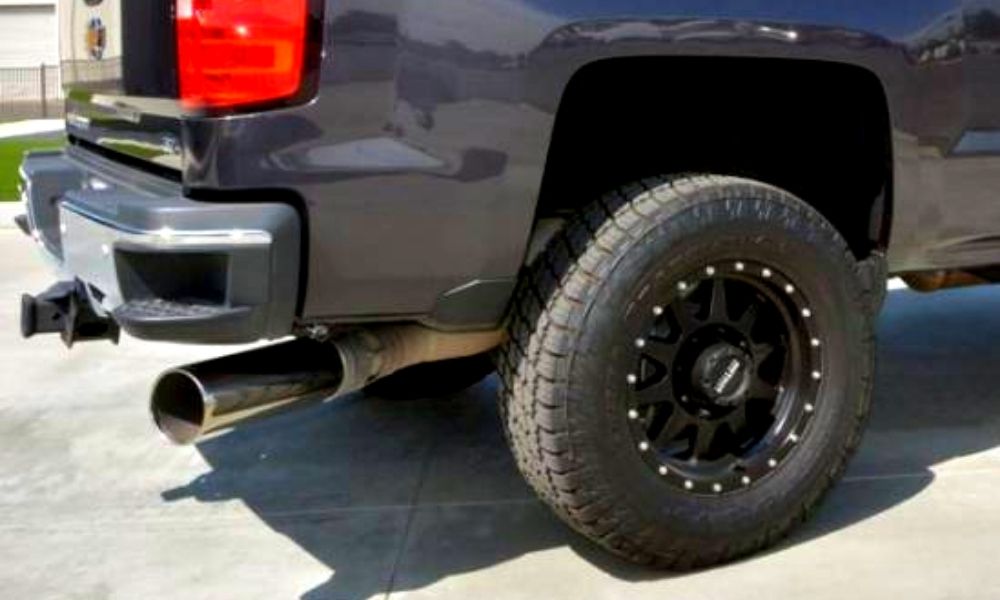
A simpler cause for a truck’s exhaust to be very loud is when the tailpipe has taken some damage or is in poor condition. This can happen a lot with older trucks that aren’t taken care of properly, as their tailpipes begin to rust and pit, causing holes that allow the exhaust to escape early. Broken tailpipes like these create a lot more noise than ones that work correctly, but often, you can easily fix these problems through replacements or even welding.
Your entire truck relies on small seals and gaskets to keep everything running smoothly. As you drive the truck over and over, these seals and gaskets degrade to the point where you need to replace them. Old, worn-down gaskets and seals can cause your engine to sputter and create a louder exhaust. Eventually, this problem can cause your exhaust manifold to develop cracks and exacerbate the issue. Make sure that when you need to replace one gasket or seal, you replace all of them at once, or else the issue will shortly return.
Your catalytic converter is an essential piece of your truck, but it’s also sensitive, and its connection can become loose over time. When your catalytic converter starts to fail, one of the first signs is that your exhaust gets much louder than it normally would be. Be wary of a rotten egg smell as well, as this can also signal that it’s your catalytic converter that is the source of the issue.
You can deal with exhaust issues yourself if you know what to do and have the right replacement parts. For GMC exhaust parts that will last, Norcal Diesel Performance can hook you up and get your truck back in working order.
A. While a louder-than-normal exhaust may seem like a minor annoyance, it can indicate a serious problem such as an exhaust leak, cracked manifold, or damaged tailpipe. Driving with these issues can lead to reduced performance, increased emissions, and exposure to harmful exhaust gases. It's best to inspect and repair the problem as soon as possible.
A. Common signs of an exhaust manifold leak include a ticking or tapping noise during acceleration, a strong exhaust smell under the hood, reduced engine performance, and unusually loud exhaust noise. In severe cases, escaping hot gases can damage nearby engine components.
A. Yes. Although a damaged tailpipe primarily increases exhaust noise, holes, cracks, or corrosion can also affect exhaust flow and efficiency. Over time, this may contribute to reduced fuel economy, poor engine performance, and failed emissions inspections.
A. A failing catalytic converter may cause louder exhaust noise, reduced engine power, poor acceleration, decreased fuel efficiency, and a sulfur or rotten egg smell from the exhaust. If you notice these symptoms, have the converter inspected as soon as possible.
A. Most experts recommend inspecting the exhaust system at least once a year or whenever you notice unusual noises, vibrations, odors, or performance changes. Regular inspections can help catch worn gaskets, rusted pipes, and failing components before they become more expensive repairs.