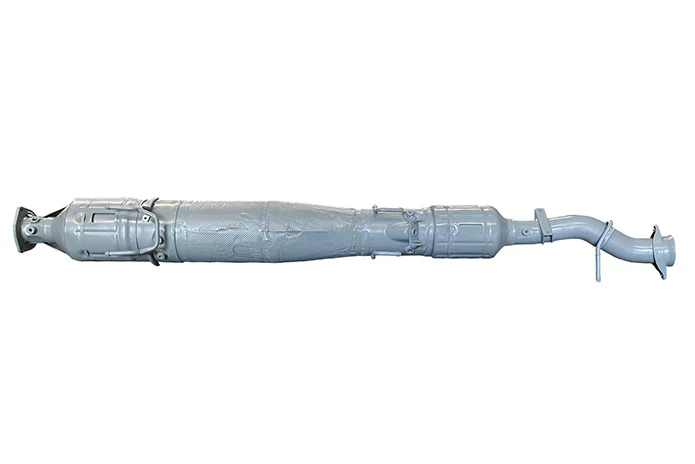
Exhaust aftertreatment systems are a major part of modern vehicles, but what exactly are they and what do they do? These systems are incredibly important, and when you learn some key facts about exhaust aftertreatment systems, you can better appreciate them. These systems benefit you as a driver and help contribute to a greener planet.
Exhaust aftertreatment systems, also known as “emissions control systems,” play a crucial role in environmental conservation. Their primary purpose is to drastically lower the levels of noxious emissions your truck’s exhaust generates. These systems filter and treat the gases before they’re emitted into the atmosphere, preventing pollutants from circulating. By reducing these emissions, exhaust aftertreatment systems help protect the environment and your truck’s exhaust system.
The diesel particulate filter (DPF) is one of the most common forms of exhaust aftertreatment in modern diesel engines. These filters capture and trap the soot particles that combustion produces, preventing harmful particulates from going out into the atmosphere and contributing to pollution. If you want to combat environmental pollution and promote cleaner air quality, you need a diesel particulate filter in your aftertreatment system.
Another crucial and innovative element in the exhaust aftertreatment framework is the selective catalytic reduction (SCR) system. This advanced and sophisticated technology employs a specialized catalyst to initiate a chemical reaction. This reaction converts harmful nitrogen oxides, which are prevalent in vehicle exhaust gases, into harmless nitrogen and water vapor. These byproducts, unlike the original pollutants, are entirely safe for the environment, reducing air pollution and helping in the fight against global warming. The SCR system represents a significant advancement in environmental protection technology, greatly reducing automobiles’ ecological footprint.
Interestingly, exhaust aftertreatment systems come with the added benefit of enhancing your vehicle's overall performance and fuel efficiency. By effectively minimizing exhaust back pressure, these systems create a more unobstructed flow of exhaust gases out of the engine. This process allows the engine to circulate air better and operate more efficiently, but it also leads to a noticeable reduction in fuel consumption, which in turn means lower fuel costs.
There are a lot of interesting facts about these exhaust aftertreatment systems, but most importantly, they play a significant role in reducing emissions and improving performance. When you understand more about these systems, you can better understand and maintain them, and that’s where Norcal Diesel Performance steps in. With our extensive selection of diesel parts, including 2017-2019 Duramax exhaust parts, you can give your exhaust system the help it needs to keep you, your truck, and the environment safe and healthy.
A. An exhaust aftertreatment system is a collection of emissions control components designed to reduce harmful pollutants produced by a diesel engine. These systems treat exhaust gases before they leave the tailpipe, helping vehicles meet emissions standards and reduce their environmental impact.
A. A diesel particulate filter (DPF) captures soot and particulate matter generated during combustion. By trapping these particles, the DPF helps improve air quality, reduce emissions, and keep diesel trucks compliant with environmental regulations.
A. An SCR system uses a catalyst and diesel exhaust fluid (DEF) to convert harmful nitrogen oxide (NOx) emissions into harmless nitrogen and water vapor. This process significantly reduces pollution and helps modern diesel vehicles meet strict emissions requirements.
A. Yes. A properly functioning exhaust aftertreatment system can help optimize exhaust flow and reduce back pressure, allowing the engine to operate more efficiently. This may contribute to improved fuel economy and overall vehicle performance.
A. Common warning signs include reduced engine performance, decreased fuel economy, excessive exhaust smoke, warning lights on the dashboard, and frequent regeneration cycles. Addressing these issues early can help prevent costly repairs and keep the system operating effectively.