Have you noticed a decrease in your truck’s fuel economy? Perhaps you’re making more trips to the gas station or noticing an increase in your gas budget. Multiple variables affect your truck’s fuel economy, and you can boost it with high-quality engine air filters.
A clean air filter enables better airflow into your engine. An uninterrupted airflow reduces the workload on your engine, so it doesn't have to exert as much effort to take in air for combustion. The improved airflow from this minor change can enhance your truck’s fuel efficiency and create a smoother drive.
You can improve your truck’s performance by keeping dirt and debris out of the engine. It relies on clean air for its functions, and a clogged or dirty air filter can act as a gateway for debris. Contaminants can damage your engine and reduce its fuel economy.
A clean air filter in your engine can extend its lifespan by filtering out dirt and debris that wear down its components. Filtering can prevent damage and costly repairs in the long run, ensuring your engine operates smoothly for years. A clean air filter can also save you money at the pump.
By improving the quality of air entering your engine, it can perform better. Clean air lets your engine operate at its full potential, resulting in smoother acceleration, increased power, and a more satisfying driving experience.
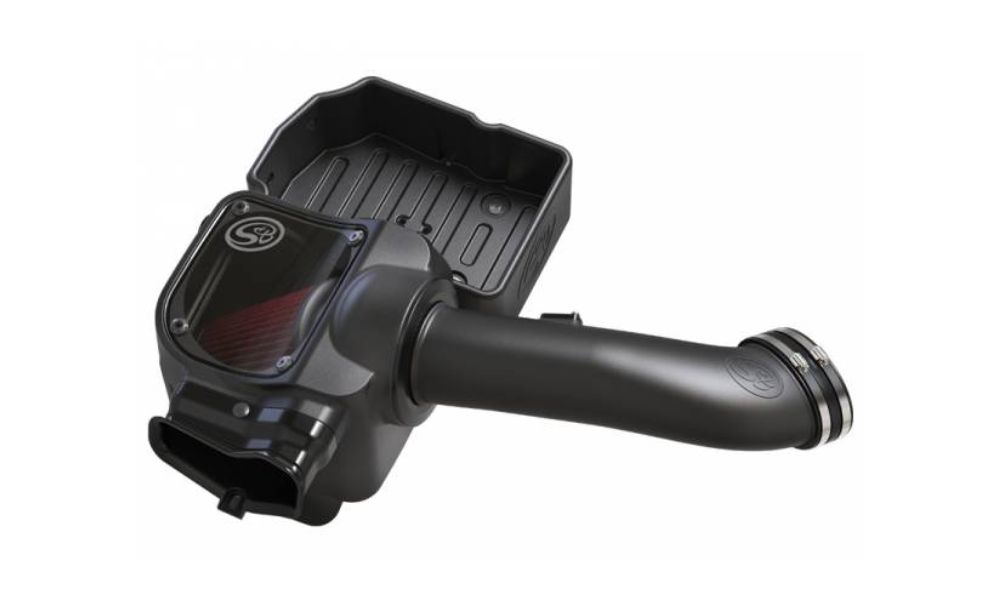
Regularly replacing your engine’s air filter will benefit your truck’s fuel economy. Don’t overlook this essential maintenance task! If you want to take things to the next level, consider upgrading your Ford engine with a Ford 6.7 cold air intake from Norcal Diesel Performance. Keeping your engine free of contaminants and supplying it with high-quality air can do wonders for your truck.
A. Replacement intervals vary by make, model, and driving conditions, but most truck owners should inspect their engine air filter regularly and replace it according to the manufacturer's recommendations. If you frequently drive on dusty roads or tow heavy loads, you may need to replace it more often.
A. Yes. A clogged air filter can restrict airflow to the engine, forcing it to work harder to maintain performance. Reduced airflow may contribute to lower fuel efficiency, decreased engine performance, and a less responsive driving experience.
A. Common signs include reduced fuel economy, sluggish acceleration, decreased engine power, unusual engine sounds, and a visibly dirty or clogged filter. Regular inspections can help identify problems before they affect performance.
A. A quality cold air intake can improve airflow to the engine beyond what a standard intake system provides. Depending on the application, truck owners may experience improved throttle response, better engine performance, and potential efficiency gains when the system is properly installed and maintained.
A. An engine air filter captures dirt, dust, and other contaminants before they enter the engine. By keeping harmful debris out of critical engine components, the filter helps reduce wear, support long-term reliability, and potentially extend engine life.