An engine doesn’t automatically power your vehicle; you need to supply it with the right oil and fuel. However, the combustion reaction in the engine requires something else as well—air. Air is a necessary component in the combustion reactions that power your engine, and the air intake brings in the crucial air for this process. An air intake is an important part of your vehicle, so everyone should know some key air intake maintenance tips to ensure their engine is getting the necessary air.
The air intake brings in crucial air to power your engine, but the air it brings in can often have some dangerous contaminants in it. Small pollutants like dust, dirt, and even small rocks could do some major damage to your engine. Thankfully, air intakes have filters to keep these problems out of your engine.
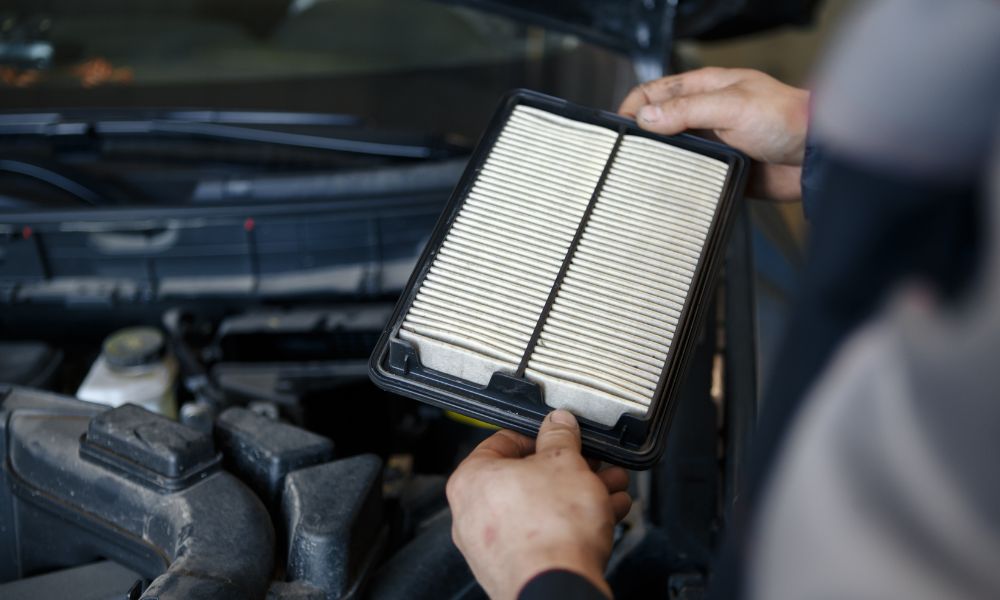
The filters are an important part of your air intake, but you need to replace them regularly if you want to keep everything in proper order. The general rule for your air filters is that you need to replace them regularly every year or so. Waiting too long can lead to a lot of dust and debris collecting, putting your engine in harm’s way.
Another key part of air intake maintenance is regularly inspecting the pipes and hoses coming in and out of your air intake system. The filters are meant to protect from contaminants finding their way to your engine, but that doesn’t mean the odd item won’t pop up here and there. If you want to keep your air intake in proper working order, regularly inspect the hoses and pipes. Potential blockages, cracks, or holes can occur, dealing great harm to your air intake’s performance. With the right inspection and follow-through, you can keep your air intake in good condition for years to come.
In addition to issues with your pipes and hoses, you must also look out for signs of other fluids leaking into your air intake system. With everything so close under the hood, a faulty valve cover gasket or sealant can lead to oil or coolant making its way into your engine when it shouldn’t. Some common signs you may notice are sputtering from your engine or odd odors. When you notice any of these signs, it’s time to lift your hood, find the source of the leak, and address it.
Everyone should know these air intake maintenance tips if they want to be responsible vehicle owners and keep their engines running smoothly. And if you want to take your vehicle to the next level, consider upgrading your system with a 6.7 Cummins cold air intake. Here at Norcal Diesel Performance, we have the parts you need to beef up your engine and get the performance you’ve always wanted for your truck.
A. Most vehicle manufacturers recommend replacing the engine air filter every 12,000 to 15,000 miles, or at least once a year. However, if you frequently drive on dusty roads, tow heavy loads, or operate your vehicle in dirty environments, you may need to inspect and replace the filter more often.
A. Common symptoms of a dirty air filter include reduced fuel efficiency, sluggish acceleration, decreased engine performance, unusual engine sounds, and a check engine light. Regular inspections can help you identify filter issues before they affect engine performance.
A. Yes. Cracked hoses, loose connections, or blocked intake pipes can restrict airflow to the engine. This can reduce horsepower, lower fuel economy, and lead to rough engine operation. Routine inspections can help prevent these problems.
A. Oil or coolant contamination in the air intake can interfere with proper combustion and potentially damage engine components. If you notice unusual odors, smoke, sputtering, or fluid residue near the intake system, have the source of the leak inspected and repaired as soon as possible.
A. A quality cold air intake can improve airflow to the engine, which may enhance throttle response, performance, and overall engine efficiency. For diesel truck owners looking to maximize power and drivability, a properly designed cold air intake can be a worthwhile upgrade when paired with regular maintenance.