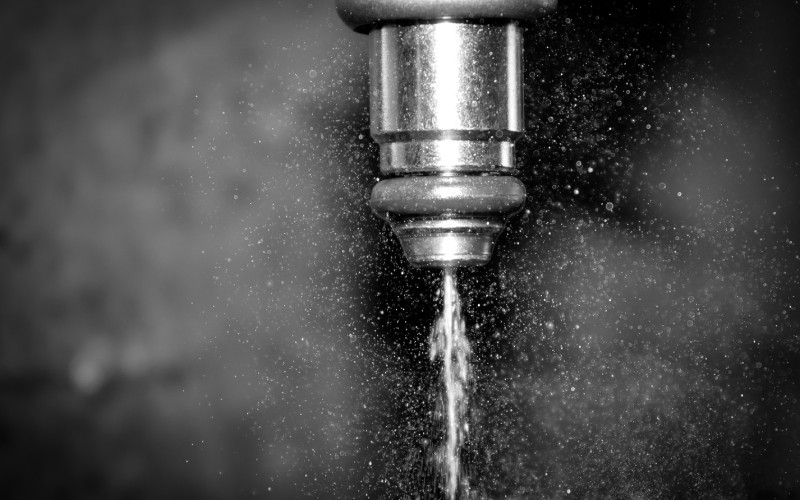
As a truck owner, you should understand the different components of your engine and how they work to ensure optimal performance and longevity. One important component is the fuel injector. Fuel injectors are responsible for delivering fuel to the engine in precise amounts and at specific intervals.
While fuel injectors are both durable and long-lasting, there are still many common types of fuel injector failure you should know about. When you can spot these issues, you can give your truck the care it needs.
One of the most prevalent issues with fuel injectors is clogging. Over time, the tiny openings in the injector can get clogged with the following:
These impurities are often present in the fuel during combustion. Clogged injectors then lead to a disruption in fuel flow, which can cause your engine to run rough, misfire, or even stall under certain conditions. Regularly using fuel system cleaners and quality fuel can help minimize clogging and keep your fuel injectors in proper working order.
Leaking injectors are another common problem that can hamper your engine’s performance. A leaky injector can cause excess fuel to enter the combustion chamber, resulting in a rich fuel mixture, decreased fuel efficiency, and increased emissions. This leaking can also lead to unburned fuel entering the exhaust system, potentially damaging the catalytic converter. It’s important to address leaking injectors promptly to prevent these issues from worsening.
The seals or O-rings on the fuel injectors are critical for maintaining a proper seal between the injectors and the fuel rail. These seals can wear out over time due to exposure to high temperatures, pressure fluctuations, and chemicals in the fuel. When these seals fail, they can result in a fuel leak or improper fuel delivery, leading to engine problems such as rough idling or poor performance. If you want to protect your fuel injectors and prevent these issues, regularly inspect and replace the O-rings.
Excessive heat in the engine compartment can also damage the fuel injectors. Under the pressure of high temperatures for extended periods, the internal components of the injectors can warp or become damaged, affecting their function. This damage can lead to inconsistent fuel delivery, causing the engine to run inefficiently. Thankfully, proper cooling system maintenance and using strong heat shields can help protect injectors from overheating.
Understanding and recognizing the most common types of fuel injector failure will help you identify potential problems early on and take the necessary steps to prevent further damage. Regular maintenance, using high-quality fuel, and keeping an eye on your truck’s performance are essential in keeping your injectors functioning properly. At Norcal Diesel Performance, we want to help too. We’re the Powerstroke performance shop you can rely on to help keep your truck in proper working order.
A. Common warning signs of a failing fuel injector include rough idling, engine misfires, reduced fuel economy, hard starting, loss of power, and excessive exhaust smoke. Addressing these symptoms early can help prevent more costly engine repairs.
A. In many cases, a clogged fuel injector can be cleaned using a fuel system cleaner or professional injector cleaning service. However, if the injector is severely blocked, damaged, or no longer operating correctly, replacement may be the best solution.
A. Fuel injectors can fail due to contaminated fuel, carbon buildup, worn seals and O-rings, overheating, poor maintenance practices, or excessive engine wear. Consistently using high-quality fuel and following recommended maintenance schedules can help extend injector life.
A. Fuel injectors should be inspected whenever you experience performance issues such as rough running, poor fuel economy, or engine misfires. During routine maintenance, technicians can also check for leaks, wear, and fuel delivery problems before they become serious.
A. Yes. A leaking fuel injector can create an overly rich air-fuel mixture, which may increase emissions, reduce fuel efficiency, foul spark plugs, damage the catalytic converter, and potentially lead to long-term engine performance issues if left untreated.