If you’re a car enthusiast, you’ve likely heard of chip tuning and ECU remapping. These two methods are gaining popularity as effective ways to boost your vehicle’s performance by optimizing its engine control unit (ECU). But which one is the right choice for you and your car? It’s hard to know whether chip tuning or ECU remaps are right for you, but when you better understand both options, you can make the right choice!
Both chip tuning and ECU remapping involve altering the software that controls your engine’s performance, allowing for adjustments in power, efficiency, and responsiveness. However, they differ in their approach to modification. Chip tuning requires physically replacing the chip on your vehicle’s ECU with one that has been pre-programmed for specific performance outputs. ECU remapping, on the other hand, involves updating or rewriting the existing software via specialized tools, without the need for physical alterations.
Installing chip tuning modifications requires a higher level of technical knowledge and expertise, as it involves opening the ECU and replacing the chip itself. This process can be intricate and time-consuming. ECU remapping is generally more straightforward since a professional can handle it or even take care of it remotely with advanced tools. ECU remapping is a much more accessible option for those without technical know-how.
With chip tuning, you can often select from a wide range of pre-loaded maps tailored to your vehicle model and desired performance outcomes. This ability offers a high degree of customization and control over your vehicle’s power and handling. Though ECU remapping may provide fewer ready-made options, it can still deliver significant performance gains by adjusting various parameters to suit your needs.
In terms of pure power, chip tuning is often seen as the go-to choice, as it can potentially provide a greater increase in horsepower and torque compared to ECU remapping. However, the extent of the performance gain largely depends on the vehicle and its current tuning. With either method, it’s crucial to ensure that all changes are compatible with your car’s existing systems to avoid any adverse effects.
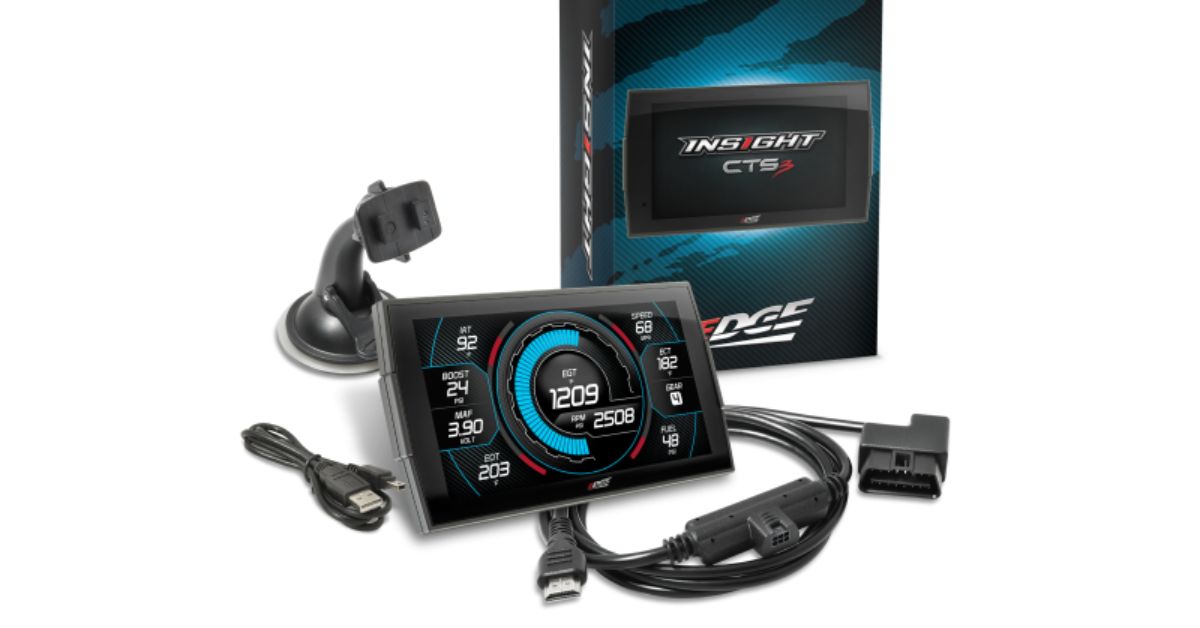
Chip tuning and ECU remapping offer distinct advantages and drawbacks, and the right option for you comes down to your preferences and budget. Consider your options carefully, and regardless of which option you choose, make sure you’re getting the right equipment. Using inferior equipment can hurt your car, but you won’t have to worry about that when you pick up a 2017-2019 6.6 Duramax tuner from Norcal Diesel Performance. We’re here to elevate your car’s performance to new heights!
A. Chip tuning typically involves replacing or modifying a physical chip within the ECU, while ECU remapping updates the vehicle's existing software through diagnostic tools without requiring hardware modifications. Both methods can improve performance, but they use different approaches.
A. Yes. ECU remapping can increase horsepower, torque, throttle response, and overall drivability by optimizing engine parameters. The exact gains depend on the vehicle's engine, factory tuning, and supporting modifications.
A. ECU remapping is generally easier because it can often be completed through the vehicle's diagnostic port without opening the ECU. Chip tuning usually requires more technical expertise since it involves physical modifications to the ECU hardware.
A. In some cases, both chip tuning and ECU remapping can improve fuel economy by optimizing engine performance and efficiency. However, fuel savings vary based on the vehicle, driving habits, and the specific tuning strategy used.
A. The best choice depends on your goals, budget, and vehicle platform. Drivers seeking a simpler and more accessible upgrade often prefer ECU remapping, while those wanting highly specific performance calibrations may choose chip tuning. Consulting a reputable diesel performance specialist can help determine the best solution for your application.