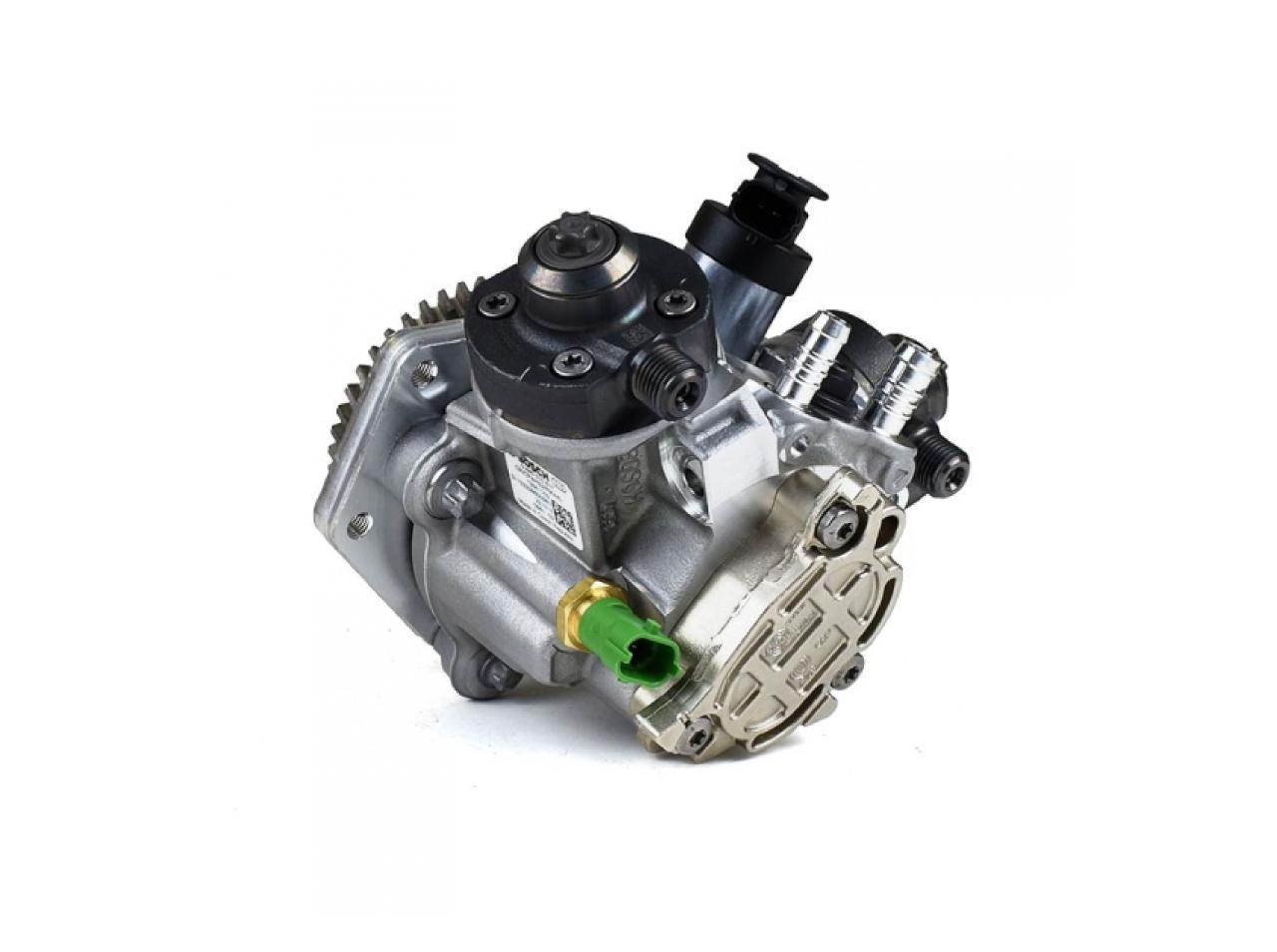
Whether you’re a mechanic with years of experience or a truck owner eager to maintain your prized vehicle, understanding the intricacies of your engine is crucial for its performance. The CP4 fuel pump is one component of Powerstroke engines that has a tendency to fail prematurely. When you know what to look for, you can successfully prevent CP4 failure in a Powerstroke and keep your truck running smoothly for years.
One of the primary culprits behind CP4 failure is contaminated fuel. This issue can arise if you opt for low-quality diesel, which may contain impurities that can clog and damage the pump over time. To safeguard the engine, always refuel at reputable fuel stations that offer high-quality diesel fuel. Additionally, consider using a fuel additive to clean the fuel system and keep your Powerstroke free from harmful deposits.
You must also regularly inspect and replace the fuel filters. They are the first line of defense that capture any contaminants in the fuel before they can reach the CP4 pump. A clogged filter can increase strain on the pump, potentially leading to premature failure. Make it a routine to check the filters according to the manufacturer’s recommendations, then replace them to maintain the fuel system’s integrity.
The CP4 pump operates under high pressure, so if you want things to work without failure, your truck must maintain fuel pressure. Regularly checking and monitoring the fuel pressure can help you identify and address abnormalities; then, you can prevent them from worsening. If you want to prevent CP4 failure, you should consider investing in a quality fuel pressure gauge.
Staying on top of maintenance, such as oil changes, fuel filter replacements, and thorough inspections, can reduce the risk of CP4 failure. You can identify potential issues early, contributing to the good condition of your Powerstroke. Stick to a schedule, and you’ll keep your engine performing at its best while extending its lifespan.
When you follow these tips, you can prevent CP4 failure in your Powerstroke diesel engine. If you need other Ford Powerstroke parts to work on your engine or CP4, come to Norcal Diesel Performance. With us on your side, you can keep your engine in top shape!
1. What causes CP4 pump failure on a Powerstroke?
The CP4 pump commonly fails due to low fuel lubricity, contamination, or air in the fuel system. Unlike older injection pumps, the CP4 relies heavily on diesel fuel for lubrication so poor-quality fuel or water intrusion can quickly lead to internal metal-on-metal wear and catastrophic failure.
2. How can I prevent CP4 failure on my Powerstroke?
You can reduce the risk of CP4 failure by:
Preventive maintenance is far cheaper than replacing a failed fuel system.
3. What are the warning signs of a failing CP4 pump?
Early signs of CP4 failure may include:
In many cases, CP4 failure happens quickly, so catching symptoms early is critical.
4. Is a CP4 failure expensive to fix?
Yes. CP4 failure is often very costly, typically ranging from $6,000 to $10,000+. This is because metal debris from the pump can contaminate the entire fuel system, requiring replacement of injectors, rails, lines, and the fuel tank.
5. Is a CP3 conversion worth it for reliability?
Many owners consider a CP3 conversion because the CP3 pump is more robust and less prone to catastrophic failure. While the upfront cost is higher, it can provide long-term reliability and peace of mind, especially for high-mileage or performance-focused trucks.