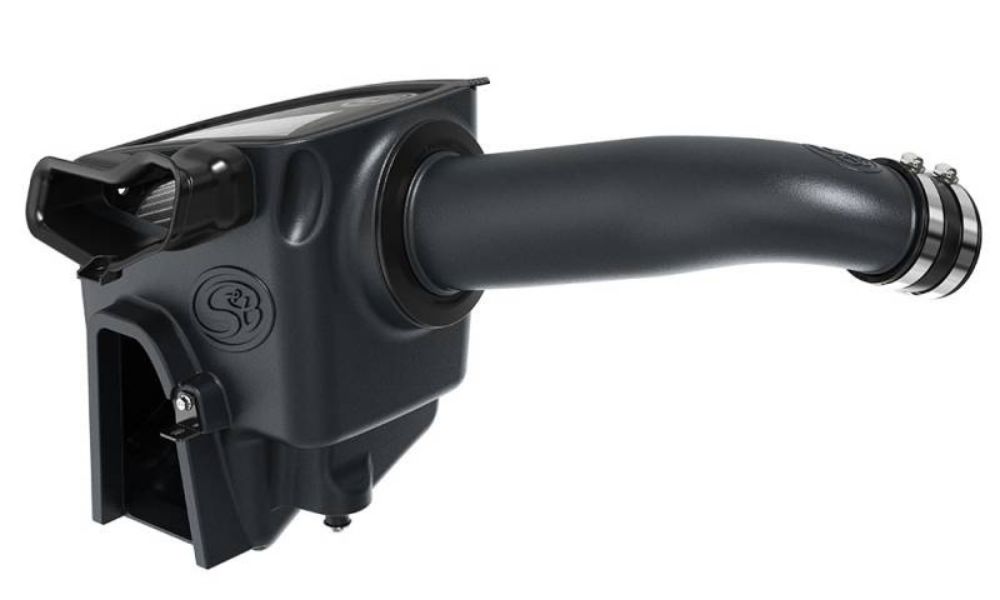
The cold air intake is one of the best improvements you can get for your truck, but it’s not perfect. Like every other component, these air intakes wear down over time. You should regularly inspect it to spot any issues as they pop up and address them before they turn into something worse. However, you might wonder how often you should inspect your cold air intake. Knowing when to take a good look at everything will help keep your cold air intake in good condition so that your truck can reap all the benefits.
Inspecting an air intake can seem a little out of the ordinary for some drivers. This component is under the hood and something that many drivers take for granted, but inspections are important if you want to get the most benefits out of your air intake. With repeated use, it’s easy for the air filters to get dirty and become less efficient. For every gallon of fuel your engine burns, your engine uses about 10,000 gallons of air. Your air filter goes through a lot, and if you want it to work properly, you need to inspect it and make any necessary fixes.
So, you see how important inspecting your air intake is, but what does an inspection actually entail? You need to look at the air filters because they trap any dangerous particles, dirt, and debris that would interfere with your engine’s operation. In an inspection, you simply need to lift out the air filter in your intake and see how dirty it is.
Light coming through the filter is good, but if there’s no light coming through, you can lightly drop the filter on the ground to try and loosen some dirt. However, don’t blow into the filter, as this can really interfere with the filter’s performance. If dropping the filter doesn’t clear it up enough for light to pass through, you can try cleaning it with a filter-cleaning solution. However, if the issue persists, you may just need to purchase a new filter a new one.
You know how to inspect your air intake, but how often do you need to open the hood and do this inspection? Depending on your driving patterns, you may need to inspect your air intake between 15,000 and 30,000 miles, but if you don’t drive that much, you should check it about once a year. However, driving in dusty and dirty areas will damage the filters more quickly, so if you frequently drive in such conditions, you’ll want to inspect and clean your air intake more often.
You should inspect your cold air intake more often than you think, but the maintenance requirements are pretty consistent with how often you need to check other vehicle components. Letting things get worse before taking care of them will only hurt your truck. Instead of letting the worst happen, open the hood and get to work. If fixing and cleaning your cold air intake isn’t doing the trick and you need to purchase a new one, look no further than Norcal Diesel Performance. Our Ford 6.7 cold air intake is the perfect replacement for your truck!
A. Common signs include reduced engine performance, decreased fuel economy, sluggish acceleration, unusual intake noises, or a visibly dirty filter. If the filter appears clogged with dirt and debris or light cannot pass through it, it's time to clean or replace it.
A. Yes. A clogged air filter can restrict airflow to the engine, forcing it to work harder and potentially reducing fuel efficiency. Keeping your cold air intake clean helps ensure proper airflow and optimal engine performance.
A. Replacement intervals vary by manufacturer, driving conditions, and filter type. Many reusable filters can be cleaned and reinstalled multiple times, while disposable filters should be replaced according to the manufacturer's recommendations or when they become excessively dirty.
A. Absolutely. Trucks driven on dirt roads, construction sites, farms, or other dusty environments accumulate contaminants more quickly. In these conditions, inspecting and cleaning the filter more often can help prevent airflow restrictions and premature engine wear.
A. In most cases, yes. Many cold air intake systems use washable, reusable filters that can be cleaned with a manufacturer-approved cleaning kit. Always follow the recommended cleaning instructions to avoid damaging the filter or reducing its effectiveness.