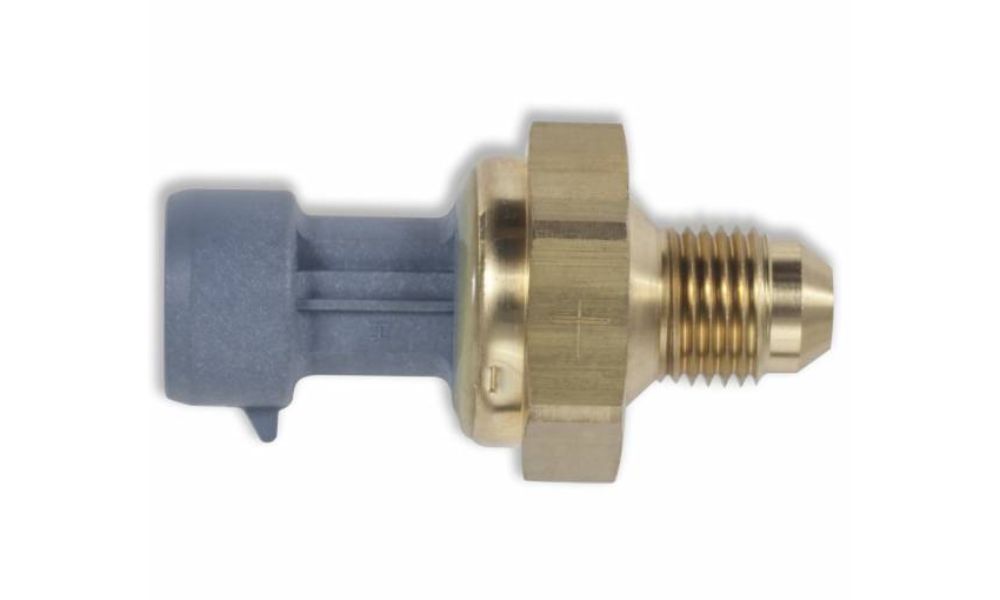
If you want your truck to go where you need it to go, and do so safely, then you need to trust all its different components. Getting on the road can be a challenge if you’re unsure about the health of your tires or your exhaust system. If you want to know that your truck will run safely, you need an exhaust gas temperature sensor.
Exhaust gas temperature sensors help you monitor your exhaust gas temperature. It can adjust your different engine specifications accordingly to ensure everything stays safe and that your exhaust remains in the proper temperature range. Some things that a gas temperature sensor can tell your engine control unit (ECU) to change include:
All these adjustments ensure you and your vehicle stay safe. In some instances, your engine and exhaust gas temperature can reach temperatures ranging from 400 to 900 degrees Celsius, and it’s around this temperature that other vehicle components start getting damaged. An exhaust gas temperature sensor can alert you when you’re reaching temperatures like these and make the necessary corrections to ensure your vehicle stays in its safe operating window.
These exhaust gas temperature sensors can help ensure the different components in your truck stay safe and don’t break down because of high temperatures. They also help ensure your truck maintains its optimal performance—rain or shine. Without these gas temperature sensors, you could drive your truck to its limits, but then it will start failing you. With a sensor, your ECU can make adjustments to avoid exceeding its limit, and your truck can run efficiently. These sensors allow you to straddle your truck’s limits while staying safe, whereas a truck with no sensor will quickly reach its limit and start delivering a poor-quality performance.
Another reason you need an exhaust gas temperature sensor is to lower your vehicle’s emissions. The sensors will monitor the temperature of your exhaust and relay that information to your ECU. They also monitor the temperature of your diesel particulate filter (DPF). If the temperature gets too high, your filters lose their ability to regenerate, thus, letting more harmful emissions escape. In some vehicles, you may have multiple exhaust gas temperature sensors to keep filter regeneration strong and reduce the harmful emissions from your engine.
You need an exhaust gas temperature sensor to ensure you and your truck are safe and the other parts of your vehicle don’t prematurely age. However, finding the right gas temperature sensor for your truck can be tricky, especially since so many are on the market. If you’re unsure where to look, come to us at Norcal Diesel Performance. We’ve got all the Ford truck performance exhaust parts you need, including gas temperature sensors, so you and your truck can get back to driving safely and smoothly.
A. An EGT sensor monitors the temperature of exhaust gases and sends that information to the vehicle's engine control unit (ECU). The ECU uses this data to make adjustments that help protect engine components, maintain performance, and support proper emissions system operation.
A. Common signs of a faulty EGT sensor include a check engine light, reduced engine performance, poor fuel economy, issues with DPF regeneration, and inaccurate exhaust temperature readings. Replacing a failing sensor promptly can help prevent additional engine or exhaust system problems.
A. Excessive exhaust temperatures can damage turbochargers, diesel particulate filters (DPFs), exhaust components, and even internal engine parts. Monitoring exhaust temperatures helps keep the engine operating within safe limits and reduces the risk of costly repairs.
A. While the sensor itself does not increase horsepower, it helps the ECU optimize engine operation by preventing unsafe temperature levels. This allows the truck to maintain reliable performance and efficiency while protecting critical components from heat-related damage.
A. The number of sensors varies by vehicle, but many modern diesel trucks use multiple EGT sensors located throughout the exhaust system. These sensors work together to monitor temperatures before and after emissions components such as the DPF to ensure efficient regeneration and lower emissions.