If you’re a car enthusiast or wanting to improve your vehicle’s performance, you’ve likely heard of intercoolers. These essential components play a key role in enhancing both the power and efficiency of an engine, particularly in turbocharged or supercharged systems. By cooling the compressed air entering the engine, intercoolers increase air density. This burns more oxygen in the combustion process, which translates to greater power output. However, there are various types of intercoolers, and to know which you need, you should understand the options and their unique purposes. Read on for a brief introduction to common intercooler designs.
The air-to-air intercooler is one of the most common and straightforward types. It relies on ambient air to cool the compressed charge from the turbocharger or supercharger. The hot air passes through a series of fins and tubes, where the surrounding air cools it down as the vehicle moves forward. This results in cooler, denser air entering the engine, increasing power output and efficiency.
Air-to-air intercoolers are typically lightweight, simple to install, and popular for performance and racing vehicles. However, their efficiency depends on airflow, making them less effective in stop-and-go traffic.
Air-to-water intercoolers take cooling to the next level. Similar to air-to-air systems, they cool the compressed air, but instead of relying solely on outside air, they use a liquid coolant that circulates through a heat exchanger. This method allows for more consistent cooling, even when the vehicle is stationary or moving slowly. However, the added complexity, weight, and need for additional components like water pumps and reservoirs may make air-to-water intercoolers less appealing for everyday use.
The twin-charge intercooler combines the benefits of both air-to-air and air-to-water systems, creating a hybrid setup for maximum cooling efficiency. This type is especially popular in vehicles with twin-charging systems (utilizing both a turbocharger and supercharger) or engines that operate under extreme conditions. The combination of cooling methods allows the system to handle higher boost pressures and maintain consistent performance, but this also translates to a higher upfront cost.
Core intercoolers use cores made of materials such as aluminum or copper to transfer heat away from the compressed air charge. These intercoolers are often highly efficient due to their construction, making them ideal for performance vehicles operating under high boost pressures. People typically use core intercoolers in custom builds or vehicles that demand maximum cooling efficiency.
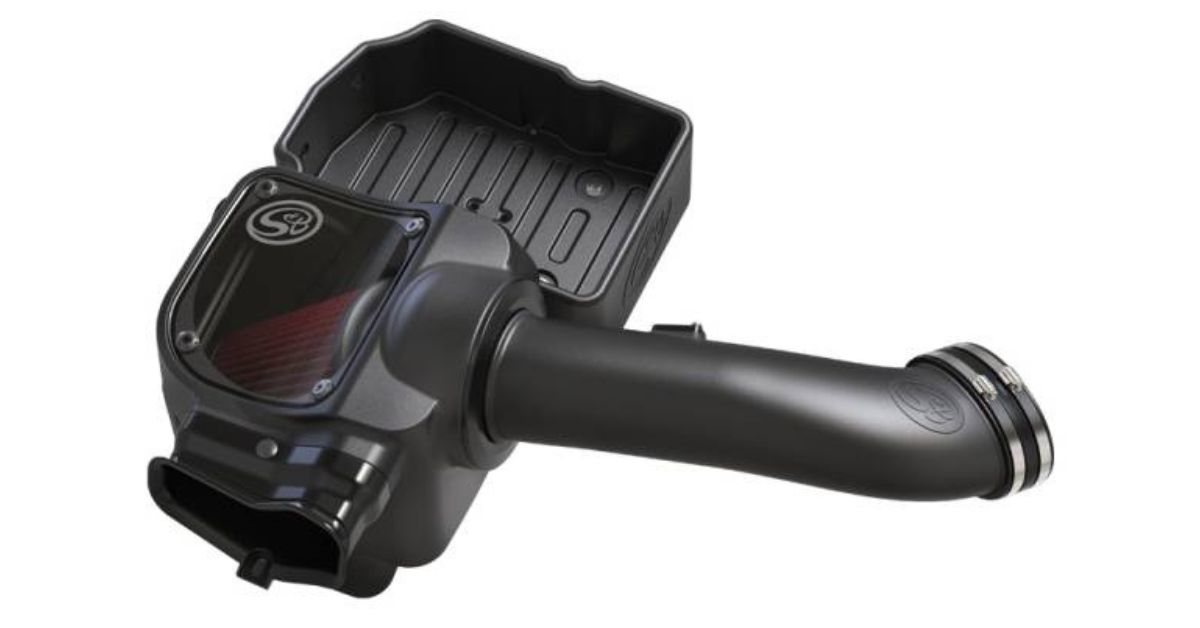
Intercoolers are vital in any turbocharged or supercharged engine. With this brief introduction to the different types of intercoolers, you can get what’s right for your truck and engine. Here at Norcal Diesel Performance, we can get you the intercoolers that are right for you, and we can also help with any other engine upgrade you need. Whether you’re looking for a Ford 6.7 cold air intake or something more specific, we’re here to help!
1. What does an intercooler do in a turbocharged engine?
An intercooler cools the compressed air coming from the turbocharger or supercharger before it enters the engine. Cooler air is denser, allowing more oxygen into the combustion chamber, which improves power output, efficiency, and overall engine performance.
2. What is the difference between air-to-air and air-to-water intercoolers?
Air-to-air intercoolers use outside air flowing through fins to cool the charge air, making them simple, lightweight, and popular for performance builds. Air-to-water intercoolers use coolant to absorb heat, providing more consistent cooling—especially in stop-and-go driving—but they add complexity, weight, and cost.
3. Which type of intercooler is best for performance applications?
It depends on your goals. Air-to-air intercoolers are ideal for high-speed performance and racing due to simplicity and reliability, while air-to-water systems are better for consistent cooling in varied conditions. High-performance or extreme builds may benefit from twin-charge or core intercoolers for maximum efficiency.
4. Are intercoolers necessary for all turbocharged or supercharged engines?
Yes, intercoolers are highly recommended (and often standard) for forced induction engines. Without one, the hot compressed air reduces engine efficiency, increases the risk of detonation, and limits potential power gains.
5. How do I choose the right intercooler for my truck or build?
Choosing the right intercooler depends on your vehicle type, driving conditions, boost levels, and performance goals. Daily drivers may prefer a simple air-to-air setup, while high-boost or heavy-duty applications may require more advanced systems like air-to-water or core intercoolers.